




A gas furnace does not have to be replaced with another gas furnace. A heat pump can take over both heating and cooling, but swapping equipment is not as simple as pulling one unit and dropping in another. The right approach depends on your home's electrical capacity, ductwork, and existing cooling equipment. Love Home Services provides heat pump installation and repair, along with smart thermostat installation, for homeowners in Rancho Cucamonga, Fontana, Glendora, Ontario, Upland, Claremont, La Verne, San Dimas, Chino, and Chino Hills. Here is what actually goes into a furnace-to-heat-pump conversion and how to tell if your home is ready.
Full Replacement or Dual-Fuel Backup: Which Fits Your Home?

Heating and cooling equipment should be sized using Manual J calculations for both modes, rather than estimated from square footage alone, according to ENERGY STAR's guidance on air-source heat pumps.
This distinction matters most when a furnace still has useful life left. If your furnace is relatively new but paired with an older air conditioner, ENERGY STAR's dual-fuel guidance points out that this is a situation worth evaluating property by property, not a case that automatically calls for scrapping the furnace.
A dual-fuel setup can keep a working gas furnace as backup heat while a heat pump handles most of the heating load and all of the cooling. A full conversion, by contrast, replaces the furnace with a heat pump system and any necessary compatible heating components.
Readers weighing the cooling side of this decision can also review our comparison of heat pumps and central air.
Backup selection should weigh how the heat pump performs during your home's coldest winter conditions rather than a single, universal outdoor temperature cutoff.
It is also worth separating two different questions: which setup is more energy efficient, and which setup produces the lowest monthly operating cost. Dual-fuel systems exist specifically because efficiency and cost are not always the same answer, so it is best to avoid assuming fixed dollar savings over natural gas without reviewing your specific home and utility rates.
What Changes Inside the Home: Electrical and Ductwork
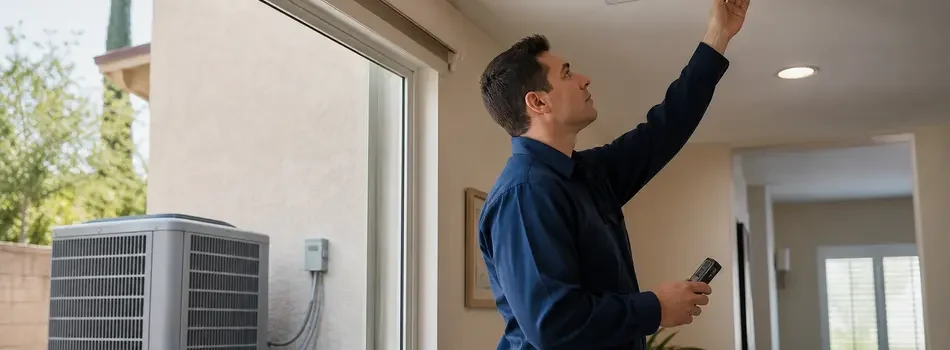
Electrical readiness covers three things: available electrical service capacity, open breaker space, and whether existing circuits can support the new equipment.
A full panel replacement is not automatic. Homes that already have central air conditioning may have enough capacity to add a heat pump, though some circuit changes can still be required. Confirming this takes an appropriate electrical load assessment by a qualified professional, not a general assumption either way.
On the air distribution side, existing forced-air ducts can typically serve a central heat pump system. Where ducts are absent, undersized, or difficult to extend, ductless systems are an alternative distribution option.
Either way, whether your existing ducts can be reused is a suitability question that should be assessed rather than assumed, since usable ducts and leak-free ducts are not the same thing.
In California, replacing indoor or outdoor split-system equipment generally triggers applicable duct-sealing and field-verification requirements under the California Energy Commission's HVAC guidance, subject to specific exceptions.
Keeping your existing ductwork does not automatically mean skipping required testing or remedial sealing work.
Indoor and outdoor components also need to work together as a matched system, including refrigerant type, blower performance, controls, and heating stages.
An outdoor condenser or indoor coil that still runs is not automatically compatible with new heat pump equipment, so component matching is part of the evaluation rather than an afterthought.
What a Heat Pump Conversion with Love Home Services Includes
Love Home Services' heat pump installation process begins with evaluating the home's heating and cooling requirements and determining which equipment configuration is appropriate.
For a complete furnace-to-heat-pump conversion, the installation process may include:
- Heating and cooling load calculations for the home
- Removal of the old furnace and air conditioner when both are being replaced
- Refrigerant line installation or modifications for the new system
- Electrical upgrades or dedicated circuits, when the equipment or household load requires them
- Duct modifications and sealing, where needed
- Thermostat setup, including compatible smart thermostat options
- Testing the system in both heating and cooling modes
- Manufacturer warranty registration
- Homeowner training on operating the new system
If a dual-fuel system is selected, the existing gas furnace may remain in place as part of the heating configuration rather than being removed. The installation scope will depend on whether the furnace and new heat pump equipment can be properly matched and controlled together.
For a full electric conversion, existing gas connections may need to be safely capped when applicable. Love Home Services also states that it handles necessary installation permits, inspections, and final approvals as part of its installation process.
The exact work should be documented in the project estimate so homeowners know which equipment is being retained, which components are being replaced, and whether any additional electrical or ductwork is required.
Budget and Timeline: What to Expect
Love Home Services advertises residential heat pump installations typically completed in 1 to 2 days.
That figure describes a standard equipment installation rather than a guaranteed timeline for every furnace-to-heat-pump conversion. A project involving electrical panel upgrades, extensive duct modifications, or other significant changes may require additional work and scheduling.
The overall timeline should also account for the initial home assessment, equipment selection and ordering, permits, inspections, and any required coordination with electrical or utility professionals.
Building those steps into your planning gives you a more realistic picture of when the complete system will be installed, tested, and ready for regular use.
On the cost side, if you are planning a 2026 installation, do not plan your budget around the former federal heat pump tax credit.
According to IRS guidance on the Energy Efficient Home Improvement Credit, that credit is no longer available for qualifying property placed in service after December 31, 2025.
Other incentive programs may have different eligibility requirements, funding limitations, and deadlines. Any rebate or financing opportunity should be verified for your specific project rather than assumed from older articles or promotional materials.
A complete estimate should identify the selected equipment, installation labor, any needed electrical or duct modifications, applicable permits, and the expected project schedule.
Schedule a Heat Pump Conversion Assessment
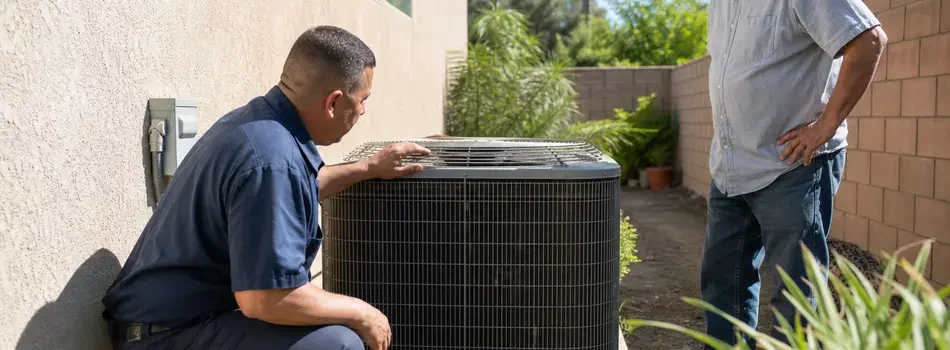
Love Home Services is a veteran-owned HVAC and plumbing company serving Rancho Cucamonga, Fontana, Glendora, Ontario, Upland, Claremont, La Verne, San Dimas, Chino, and Chino Hills.
The company offers heat pump installation and repair, along with smart thermostat installation, and advertises a 100% satisfaction guarantee for its services.
To find out whether your home is ready for a furnace-to-heat-pump conversion, call (909) 762-8158 or visit our heat pump installation page to schedule an assessment.