



How to Unclog a Drain (and When to Call a Pro)
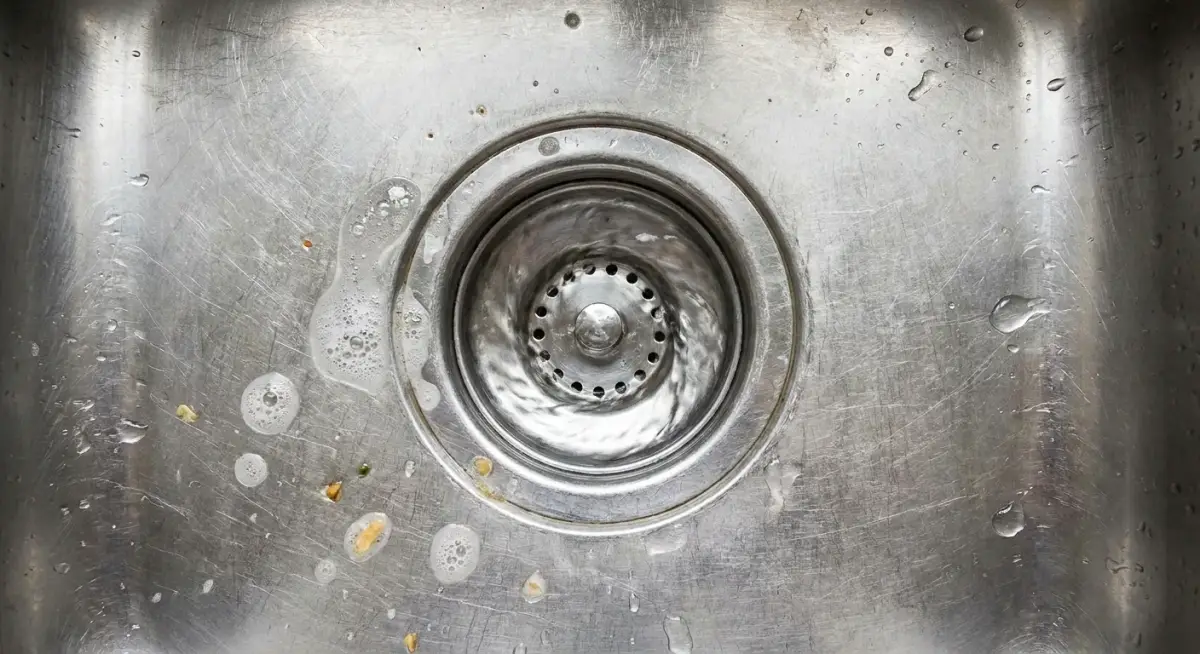
Most clogs that end up needing a professional visit started as minor slowdowns the homeowner tried to fix with chemical drain cleaner. That pour-and-wait approach rarely solves the real problem, and in older pipes the caustic chemicals accelerate corrosion. The technicians at Love Home Services, who handle same-day drain cleaning in Rancho Cucamonga and across the Inland Empire, see the same pattern again and again: a slow drain that hardened into a full blockage after weeks of chemical treatments.
Many household clogs respond to simple mechanical methods you can try before calling anyone. Start with three mechanical methods, steer clear of the mistakes that worsen a clog, and watch for five signs that the job needs a pro.
DIY Methods That Actually Work

Boiling Water
For kitchen sinks with grease buildup, boil a full kettle and pour it directly down the drain in two or three stages, waiting several seconds between pours. The heat liquefies grease and can restore flow in minutes. Avoid this on PVC connections where sustained heat can soften joints.
Plunger
Fill the basin with two to three inches of water, seal a cup plunger over the drain, and pump firmly ten to fifteen times. Cover the overflow hole with a wet rag to maintain pressure. Most hair-and-soap clogs clear within a few rounds.
Baking Soda and Vinegar
Pour half a cup of baking soda followed by half a cup of white vinegar. Cover the opening, let it fizz for 15 to 30 minutes, then flush with hot water. This handles organic buildup and mild grease without any pipe damage.
Mistakes That Make a Clog Worse
- Chemical drain cleaners: These generate heat and corrosive reactions. Repeated use weakens cast iron and galvanized lines common in Inland Empire homes built before the 1990s.
- Wire hangers: An improvised snake can push the clog deeper or puncture a corroded pipe section. A proper drain snake is the safer alternative.
- Ignoring slow drainage: A drain that takes 30 seconds to empty instead of 5 is warning you. Addressing it early with a plunger prevents a complete blockage later.
Cast iron and galvanized lines in older Fontana and Ontario homes are especially vulnerable to chemical damage. For persistent clogs in those pipes, professional drain service in Fontana avoids the corrosion risk entirely.
When the Clog Won't Clear
Some problems sit beyond what any homeowner tool can reach. Call a professional when you notice:
- Multiple drains backing up simultaneously, signaling a main sewer line issue
- Water backing up into a different fixture when you run a sink or flush
- A sewer smell from drains even after cleaning
- Standing water that does not respond to plunging or snaking
- Gurgling sounds from drains when no water is running
These symptoms often point to tree root intrusion, a collapsed pipe, or heavy grease coating deep in the sewer lateral. Camera inspection and professional hydro jetting are the safest way to resolve them.
Keep Your Drains Flowing
Prevention is simpler than most homeowners expect. Use a mesh strainer on kitchen and shower drains, run hot water for 30 seconds after washing dishes, and keep grease, coffee grounds, and fibrous food scraps out of the disposal. These habits reduce the buildup behind most residential clogs.
The Inland Empire's hard water adds another layer of buildup. Dissolved minerals like calcium and magnesium leave scale on the inside of pipes over time, narrowing the channel and giving grease and hair more to cling to. A drain that slows a little each month despite good habits often has mineral scale behind it, which a periodic professional cleaning clears before it hardens into a stubborn blockage.
Frequently Asked Questions
What is the best way to unclog a drain at home?
A cup plunger with two to three inches of standing water in the basin is the fastest method for most clogs. Pump firmly ten to fifteen times to create suction that dislodges the blockage. For grease buildup in kitchen sinks, boiling water poured in stages often restores flow within minutes.
Why does my drain keep getting clogged?
Recurring clogs usually mean buildup deeper in the line that surface treatments cannot reach. Common causes include accumulated grease, soap-and-hair combinations, or tree root intrusion into the sewer lateral. A camera inspection identifies the exact location and cause.
Are chemical drain cleaners safe to use?
Chemical drain cleaners can damage pipes over time, especially older cast iron and galvanized lines. The caustic reaction generates heat that weakens joints and corrodes pipe walls. Mechanical methods like plunging, snaking, or professional hydro jetting are safer and more effective.
Need Professional Drain Cleaning?
If DIY methods are not clearing the blockage, call Love Home Services at (909) 762-8158 or schedule service online. Same-day drain cleaning with upfront pricing. Talk to a real person, not a voicemail or overseas call center.